Thematic Field Guide · September – April (North) · March – September (South)
Sky & atmosphereAurora Borealis & Australis: Reading Kp, Oval Latitude & Nocturnal Cloud Cover
Why sitting at 65°–70° N under clear skies beats chasing high-Kp headlines under overcast.
Most aurora frustration comes from watching planetary Kp numbers while ignoring geomagnetic latitude and local cloud decks. Cities directly beneath the auroral oval—Tromsø, Rovaniemi, Fairbanks, and Yellowknife—see overhead aurora even at quiet Kp 2, whereas lower-latitude sites require G2–G3 geomagnetic storms.
How to time this phenomenon
- Check Flaurora's 14-day outlook: days 1–3 fold in live NOAA SWPC 3-hour Kp predictions, while days 4–14 evaluate nocturnal cloud cover and nautical darkness against the quiet auroral oval.
- Book at least 4 consecutive nights in a single oval hub or rent a vehicle to cross microclimate divides (for example, driving inland from coastal Tromsø toward the Finnish border when fjords cloud over).
- For Southern Hemisphere travellers in Ushuaia, target the equinox months (March–April and September) when geomagnetic coupling is statistically strongest.
Safety & responsible visiting
- Extinguish vehicle headlights before pulling into roadside aurora turnouts so other observers and astrophotographers retain dark adaptation.
- Never trespass on private Sami reindeer grazing corrals or snow-covered agricultural fields in northern Norway and Lapland.
Live readiness across this trail
6 tracked destinations
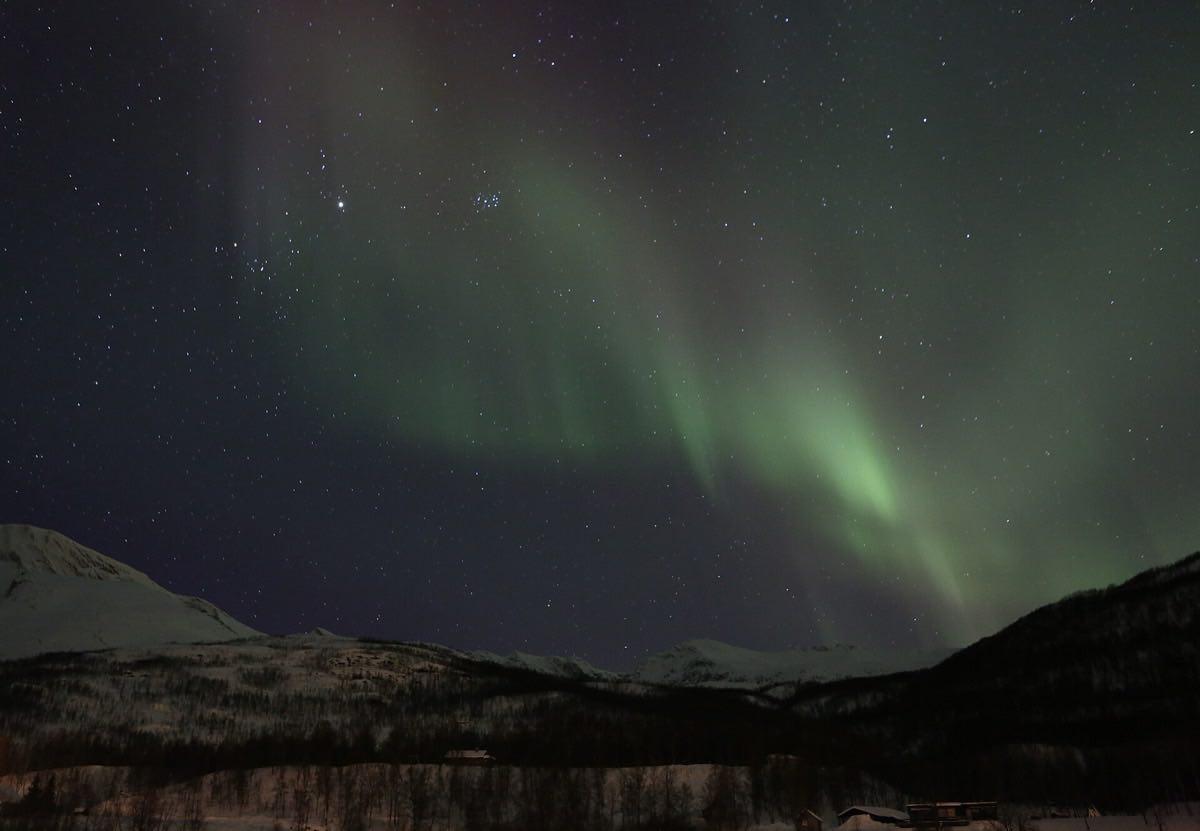 Aurora
58
Tromsø
Norway
DevelopingHigh confidenceLive cameraPeak is today
High-latitude Norwegian fjord base at 69.6° N with mild Gulf Stream winter temperatures.
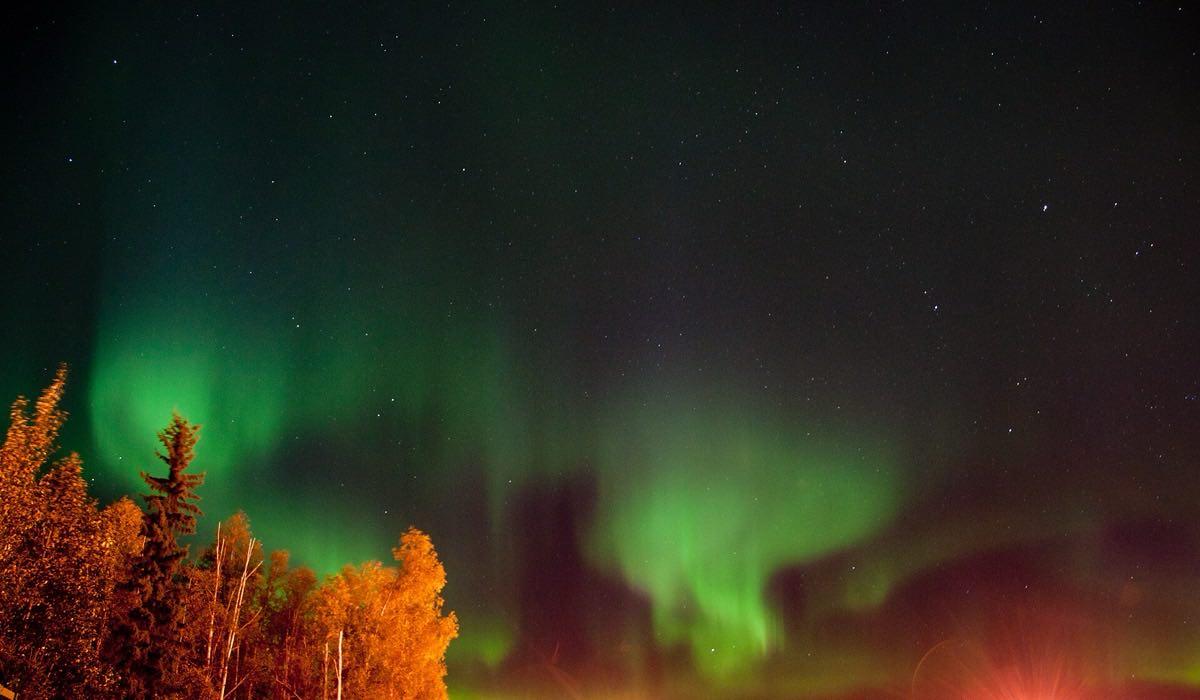 Aurora
52
Fairbanks
United States
DevelopingHigh confidenceLive cameraPeak in 1 day
Interior Alaska continental climate at 64.8° N with Poker Flat all-sky telemetry.
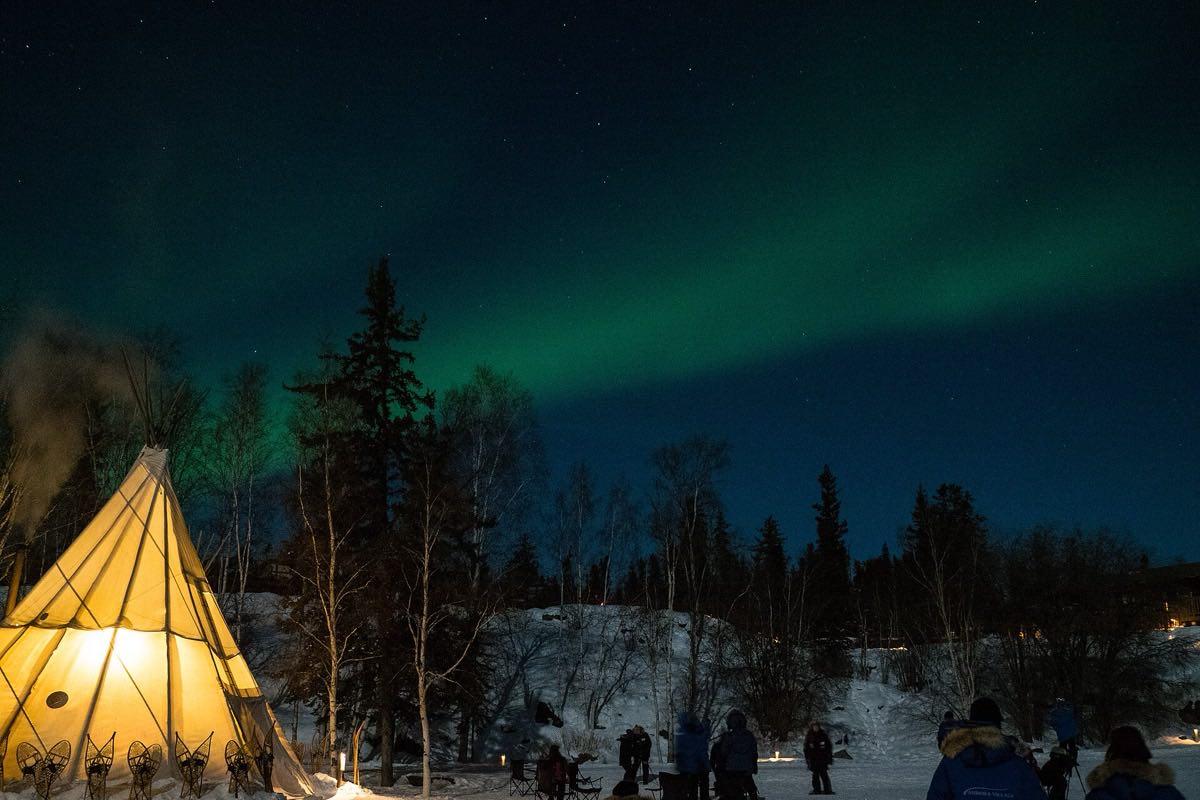 Aurora
54
Yellowknife
Canada
DevelopingHigh confidenceLive cameraPeak is today
Photo: raymond22112376 · Public domain
Flat terrain and crisp continental Canadian skies beneath the auroral oval.
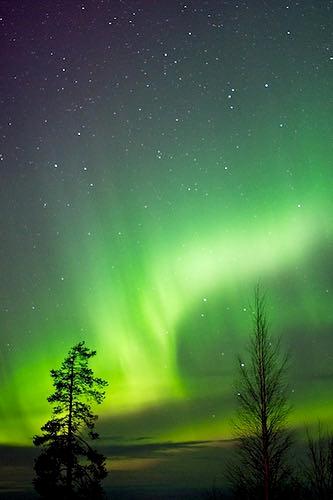 Aurora
60
Rovaniemi
Finland
DevelopingHigh confidenceLive cameraPeak in 1 day
Arctic Circle Lapland forests with frozen lake horizons from autumn to spring.
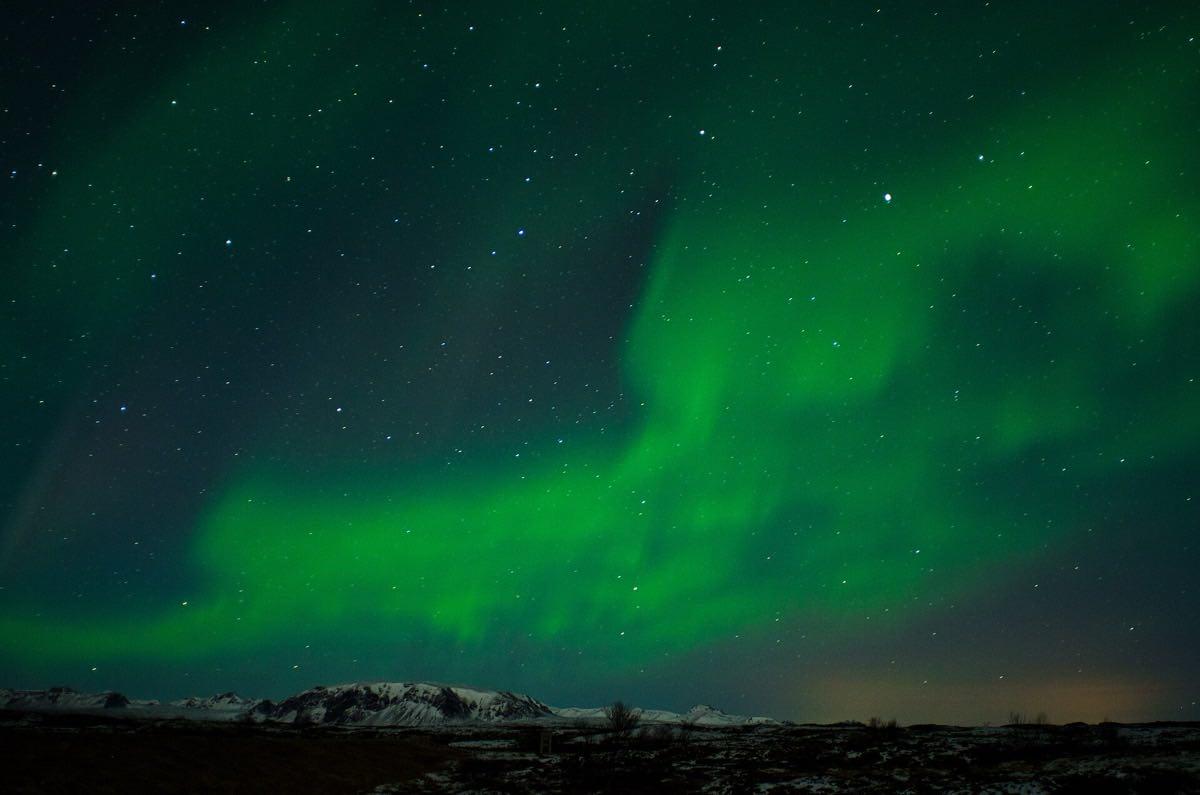 Aurora
72
Reykjavík
Iceland
Approaching peakHigh confidenceLive cameraPeak is today
Accessible North Atlantic oval gateway paired with dark-sky peninsulas outside town.
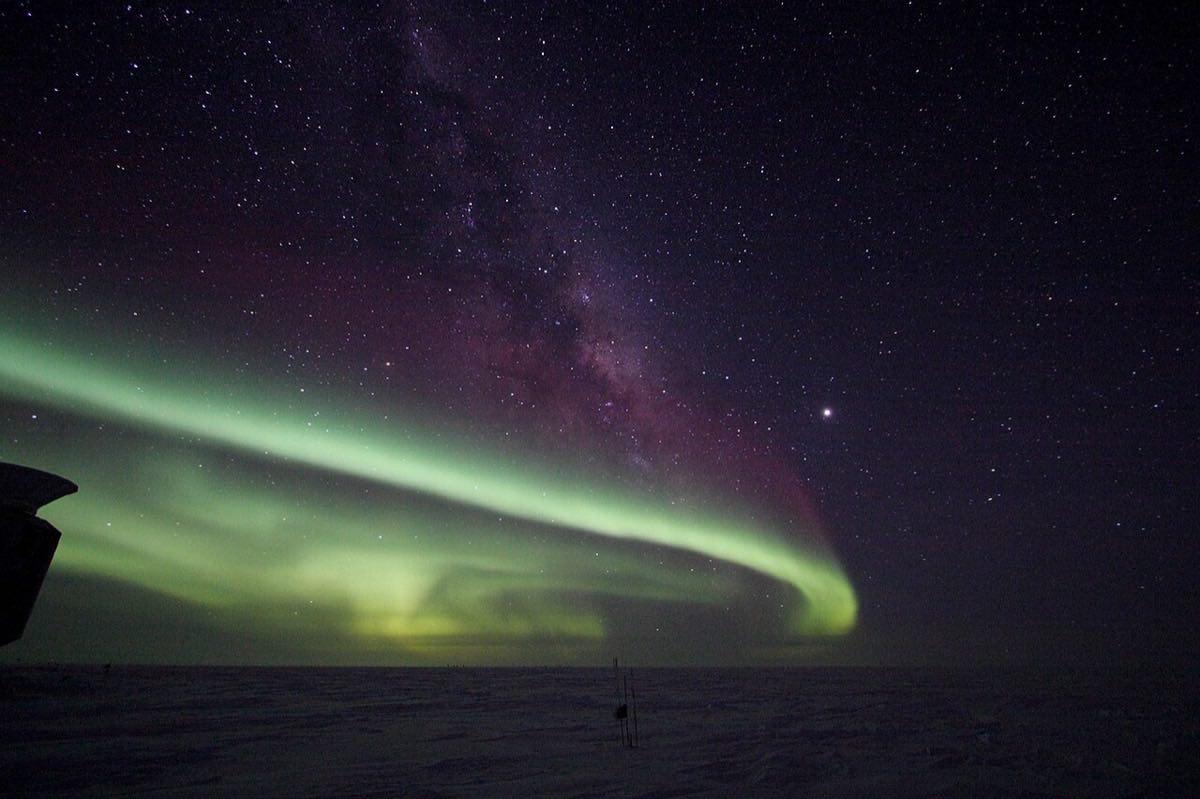 Aurora
18
Ushuaia
Argentina
DormantHigh confidenceSeason opens in 112 days
Photo: National Science Foundation · Public domain
Southernmost city on Earth for chasing Southern Hemisphere geomagnetic substorms.


More field guides
View all 10 guides →spring Guide
Spring Bloom & Southern Hemisphere Dark Skies
Tracking cherry blossom degree days, bulb rows, desert superblooms, and the Eta Aquariids.
summer Guide
Summer High-Meadows, Lavender & Perseid Dark Skies
High-altitude snowmelt flora, Provençal harvests, and August's premier meteor stream.
autumn Guide
Autumn Canopy & The Monarch Migration Flyway
Tracking deciduous color waves alongside North America's great butterfly migration.
winter Guide
Winter Aurora Oval & Geminid Dark Skies
Geomagnetic storms under polar night and December's 120-ZHR Geminid meteor shower.
Phase 3 · Validation & roadmap priorities
Which phenomena and destinations should Flaurora track next?
We only launch a phenomenon once we can verify an authoritative observation or forecast feed. Vote on candidate Phase 4 categories below or suggest a specific destination for source validation.
Snowmelt Waterfalls & River Peak Flow
Yosemite Valley, Lauterbrunnen, and Nordic snowmelt discharge peaks in late spring.
Target feed: USGS National Water Information System (NWIS) streamgauges
Volcanic Activity & Geothermal Landscapes
Official alert levels, aviation color codes, and safe viewing perimeters.
Target feed: USGS Volcano Hazards Program & IMO Iceland official advisories
Whale Migration & Coastal Sightings
Humpback, gray, and southern right whale coastal migration corridors.
Target feed: NOAA Fisheries, Happywhale & regional marine sanctuaries
Marine Bioluminescence Bays & Shores
Dinoflagellate and ostracod dark-moon windows in Puerto Rico, Tomales Bay, and Jervis Bay.
Target feed: New-moon ephemeris, SST anomalies & reserve monitoring
Synchronous Fireflies
Great Smoky Mountains, Congaree, and Japanese genji-botaru river valleys.
Target feed: Accumulated GDD (base 10°C) & NPS park lottery windows
Glacier Calving & Seasonal Lake Ice
Perito Moreno, Ilulissat Icefjord, and Lake Baikal winter freeze/breakup.
Target feed: NSIDC, Copernicus cryosphere & national park ice telemetry
Request a destination or phenomenon
Tell us what natural event you are planning around and how you use Flaurora.