winter Guide · November – March
Sky & atmosphereEarth & landscapesWinter Aurora Oval & Geminid Dark Skies
Geomagnetic storms under polar night and December's 120-ZHR Geminid meteor shower.
Long high-latitude nights maximize astronomical darkness from November through March. Combining NOAA SWPC planetary K-index forecasts with Open-Meteo cloud cover separates overcast geomagnetic storms from clear, overhead auroral coronas and active geothermal rift landscapes.
How to time this phenomenon
- Sitting directly beneath the quiet auroral oval (~64°–70° N in Tromsø, Rovaniemi, Fairbanks, and Yellowknife) allows overhead aurora even at Kp 2–3, provided skies are clear.
- Compare coastal vs. continental cloud cover: when maritime Norway or Iceland is overcast, continental interior sites like Fairbanks and Yellowknife often hold crisp, clear air.
- Mid-December brings the Geminids (peaking December 14 with up to 120 meteors/hr)—the Atacama Desert offers world-leading clear-sky probability.
Safety & responsible visiting
- Arctic and high-desert night temperatures drop rapidly below −20°C; carry insulated layers, ice traction, and emergency vehicle kits.
- In volcanic and geothermal parks (Reykjanes, Kīlauea), obey all civil-protection exclusion zones (IMO, USGS) and monitor SO₂ gas advisories.
Live readiness across this trail
8 tracked destinations
 Aurora
58
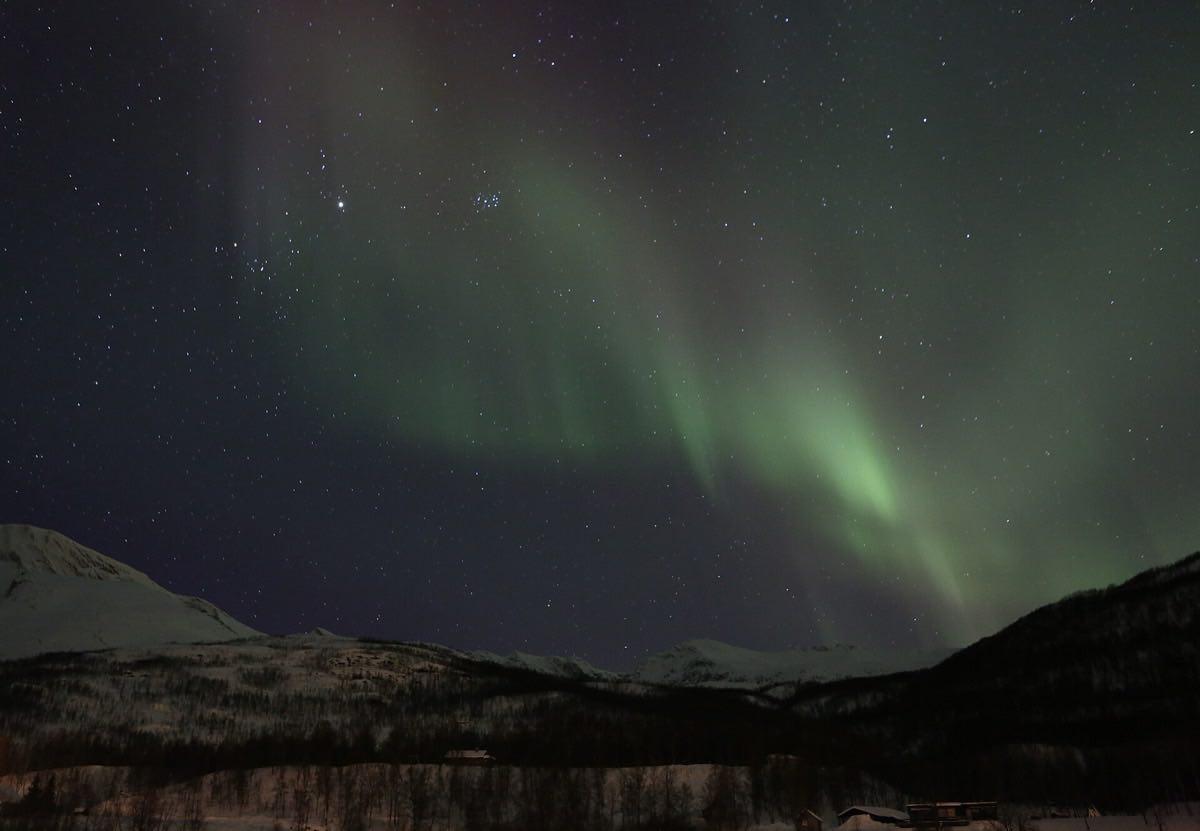
Tromsø
Norway
DevelopingHigh confidenceLive cameraPeak is today
Coastal Norwegian fjords directly beneath the quiet auroral oval.
 Aurora
60
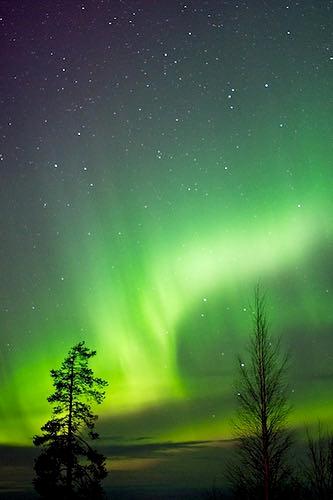
Rovaniemi
Finland
DevelopingHigh confidenceLive cameraPeak in 1 day
Arctic Circle Finnish Lapland with a clean dark season from September to April.
 Aurora
54
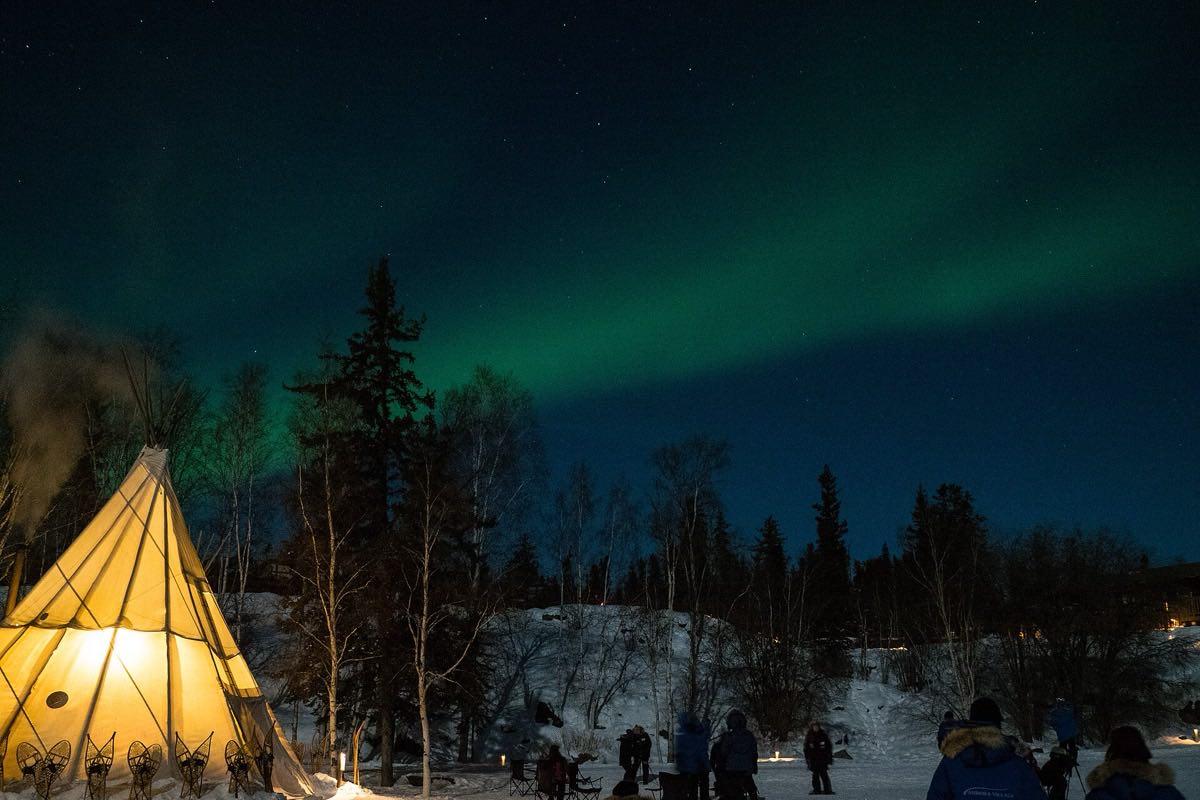
Yellowknife
Canada
DevelopingHigh confidenceLive cameraPeak is today
Photo: raymond22112376 · Public domain
Dry continental Canadian sub-Arctic skies directly beneath the auroral oval.
 Aurora
52
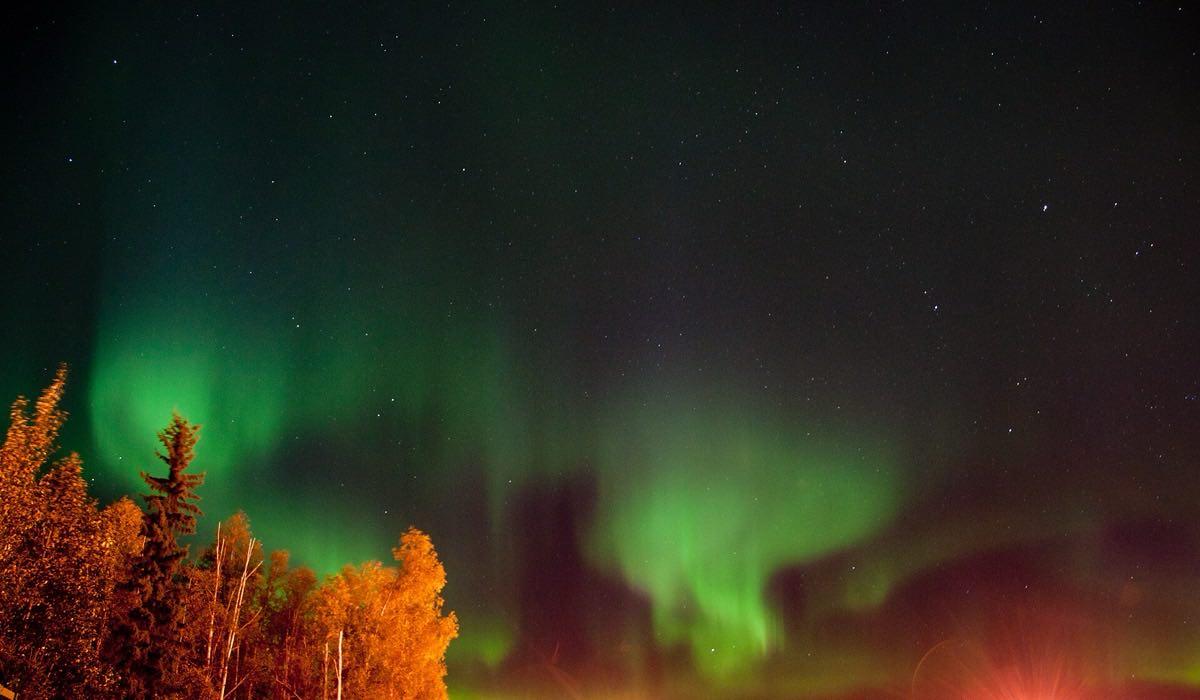
Fairbanks
United States
DevelopingHigh confidenceLive cameraPeak in 1 day
Continental interior Alaska with cold, crisp winter skies.
 Aurora
72
Reykjavík
Iceland
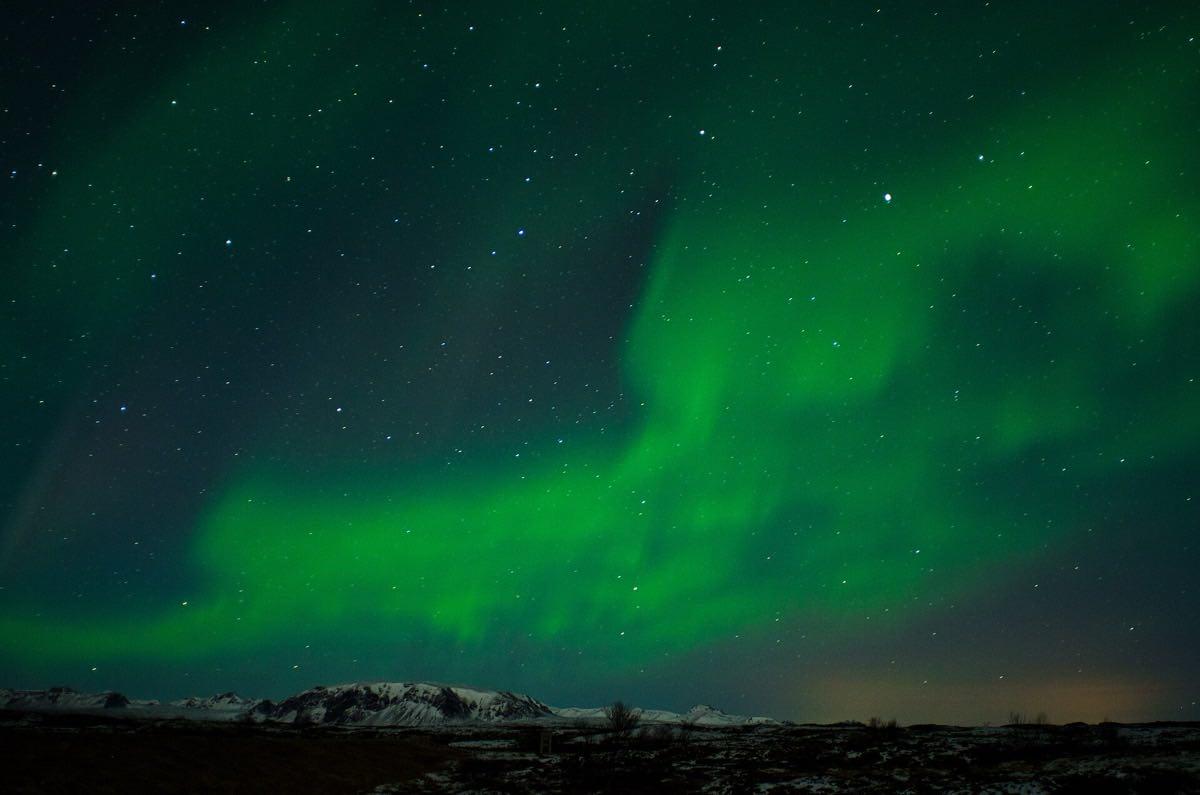
Approaching peakHigh confidenceLive cameraPeak is today
Sub-Arctic North Atlantic oval access with geothermal winter landscapes.
- Volcanic & Geothermal Landscapes
61
Reykjanes & Krýsuvík Rift
Iceland
DevelopingMedium confidenceLive cameraPeak in 26 days
Mid-Atlantic Ridge geothermal steam fields and rift craters under winter skies.
- Volcanic & Geothermal Landscapes
1
Kīlauea & Hawaiʻi Volcanoes
United States
EmergingMedium confidenceLive cameraPeak in 78 days
Halemaʻumaʻu crater and East Rift geothermal vents in Hawaiʻi Volcanoes National Park.
- Meteor Showers
0
Atacama Desert
Chile
DormantHigh confidenceSeason opens in 25 days
December Geminid peak under the driest high-altitude skies on Earth.


More field guides
View all 10 guides →spring Guide
Spring Bloom & Southern Hemisphere Dark Skies
Tracking cherry blossom degree days, bulb rows, desert superblooms, and the Eta Aquariids.
summer Guide
Summer High-Meadows, Lavender & Perseid Dark Skies
High-altitude snowmelt flora, Provençal harvests, and August's premier meteor stream.
autumn Guide
Autumn Canopy & The Monarch Migration Flyway
Tracking deciduous color waves alongside North America's great butterfly migration.
Thematic Guide
Japan Sakura & Autumn Momiji: Timing Tokyo, Kyoto & Nikko by Degree Days
How cumulative spring warmth and autumn cooling shift Japan's cherry blossom and maple fronts.
Phase 3 · Validation & roadmap priorities
Which phenomena and destinations should Flaurora track next?
We only launch a phenomenon once we can verify an authoritative observation or forecast feed. Vote on candidate Phase 4 categories below or suggest a specific destination for source validation.
Snowmelt Waterfalls & River Peak Flow
Yosemite Valley, Lauterbrunnen, and Nordic snowmelt discharge peaks in late spring.
Target feed: USGS National Water Information System (NWIS) streamgauges
Volcanic Activity & Geothermal Landscapes
Official alert levels, aviation color codes, and safe viewing perimeters.
Target feed: USGS Volcano Hazards Program & IMO Iceland official advisories
Whale Migration & Coastal Sightings
Humpback, gray, and southern right whale coastal migration corridors.
Target feed: NOAA Fisheries, Happywhale & regional marine sanctuaries
Marine Bioluminescence Bays & Shores
Dinoflagellate and ostracod dark-moon windows in Puerto Rico, Tomales Bay, and Jervis Bay.
Target feed: New-moon ephemeris, SST anomalies & reserve monitoring
Synchronous Fireflies
Great Smoky Mountains, Congaree, and Japanese genji-botaru river valleys.
Target feed: Accumulated GDD (base 10°C) & NPS park lottery windows
Glacier Calving & Seasonal Lake Ice
Perito Moreno, Ilulissat Icefjord, and Lake Baikal winter freeze/breakup.
Target feed: NSIDC, Copernicus cryosphere & national park ice telemetry
Request a destination or phenomenon
Tell us what natural event you are planning around and how you use Flaurora.