spring Guide · March – May (Northern) · August – October (Southern)
Bloom & foliageSky & atmosphereEarth & landscapesSpring Bloom & Southern Hemisphere Dark Skies
Tracking cherry blossom degree days, bulb rows, desert superblooms, and the Eta Aquariids.
Spring is driven by cumulative warmth above 5°C. Because a single warm week in March can shift Yoshino cherry bloom or Sierra Nevada snowmelt waterfalls by up to ten days, pairing GDD anomalies with fixed astronomical windows like May's Eta Aquariids lets travellers anchor flexible itineraries.
How to time this phenomenon
- Check the GDD anomaly 14 days before departure: when accumulated degree days outpace the historical curve by more than 15%, expect peak bloom 4–7 days earlier than the climatological date.
- Pair coastal low-elevation blooms (Tokyo, Jeju, Lisse) with slightly higher-elevation or inland parks (Kyoto eastern hills, Nikko, Yosemite Valley) to widen your spring window.
- For Southern Hemisphere travellers in May, Halley's Comet debris peaks during the Eta Aquariids in certified dark-sky reserves like Aoraki Mackenzie.
Safety & responsible visiting
- Never step into commercial Dutch tulip rows—soil on shoes transfers bulb viruses across fields.
- Keep strictly to signed gravel or boardwalk paths in desert wildflower reserves and stay behind guardrails near snowmelt waterfall brinks.
Live readiness across this trail
8 tracked destinations
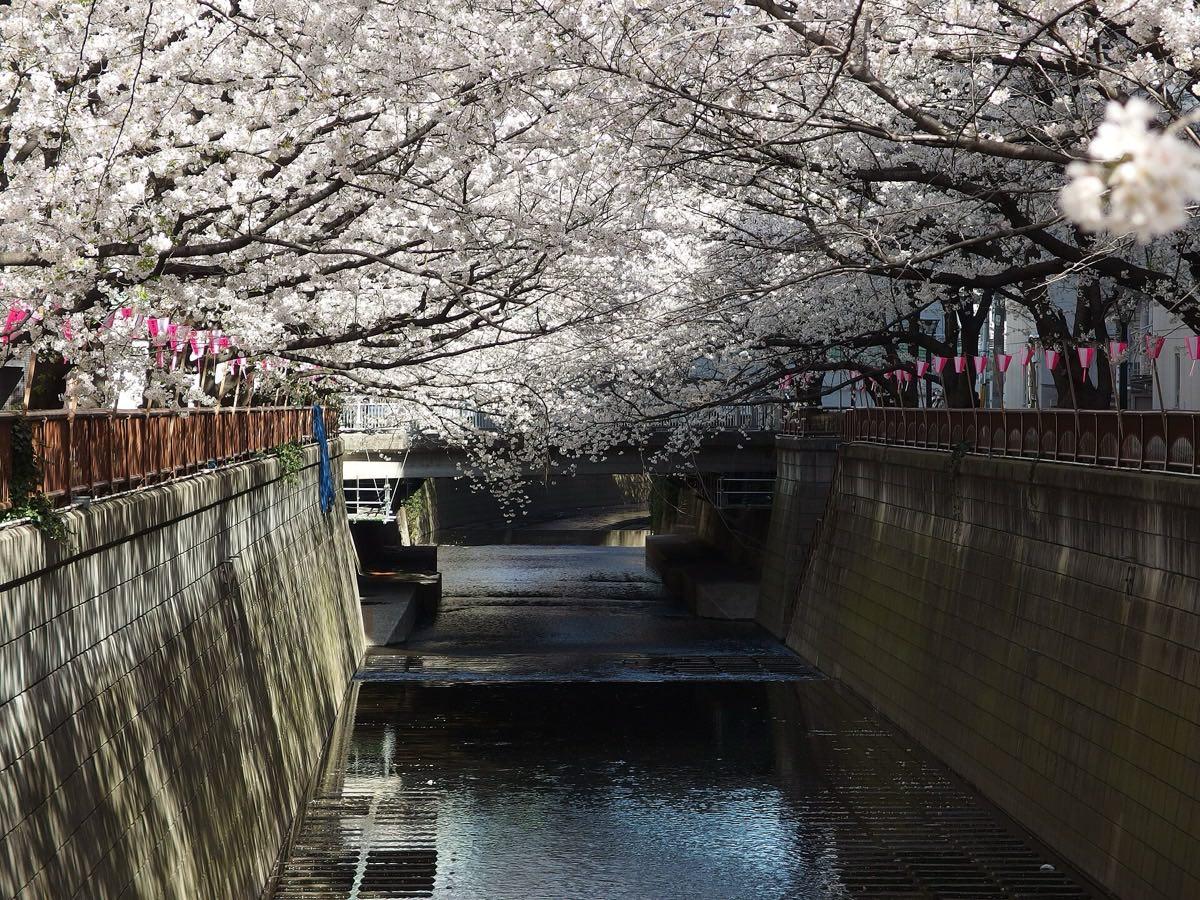 Sakura
0
Tokyo
Japan
DormantLow confidenceHistorical estimateLive cameraSeason opens in 121 days
Early urban reference bloom along the Meguro River and Ueno Park.
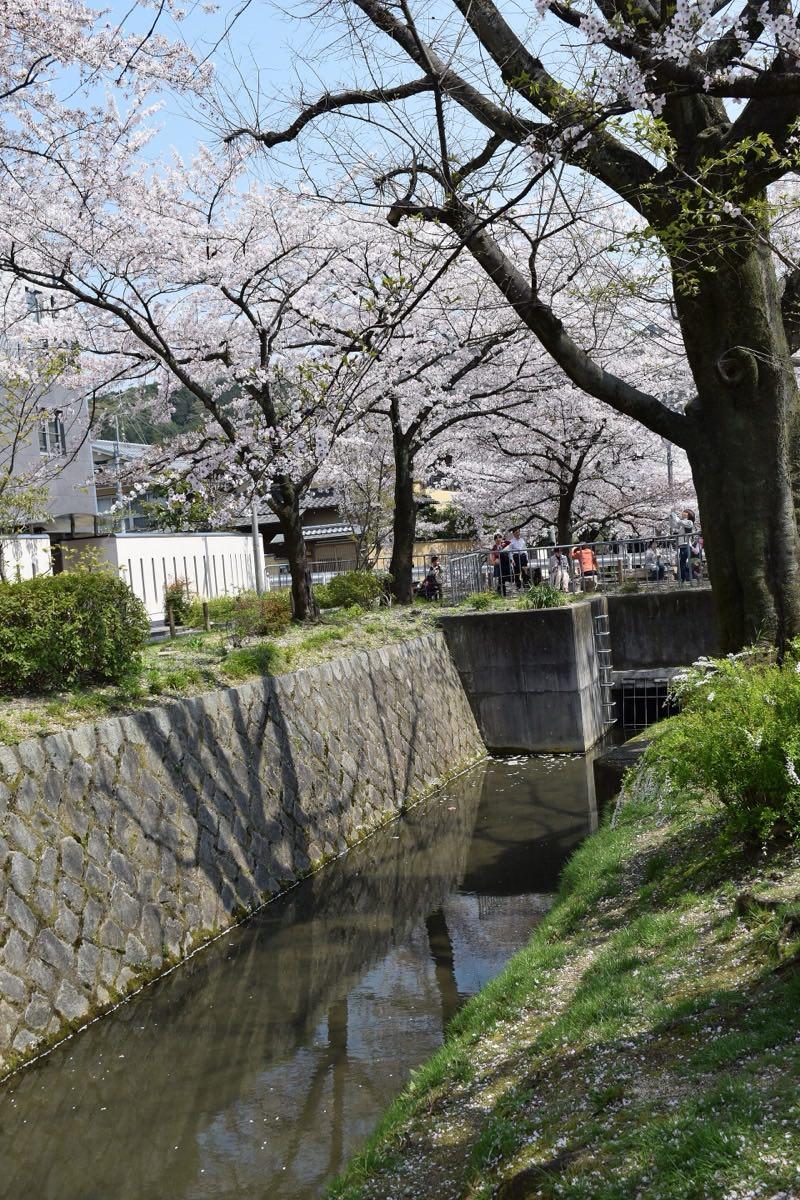 Sakura
0
Kyoto
Japan
DormantLow confidenceHistorical estimateLive cameraSeason opens in 121 days
Eastern temple groves that typically crest a few days after central Tokyo.
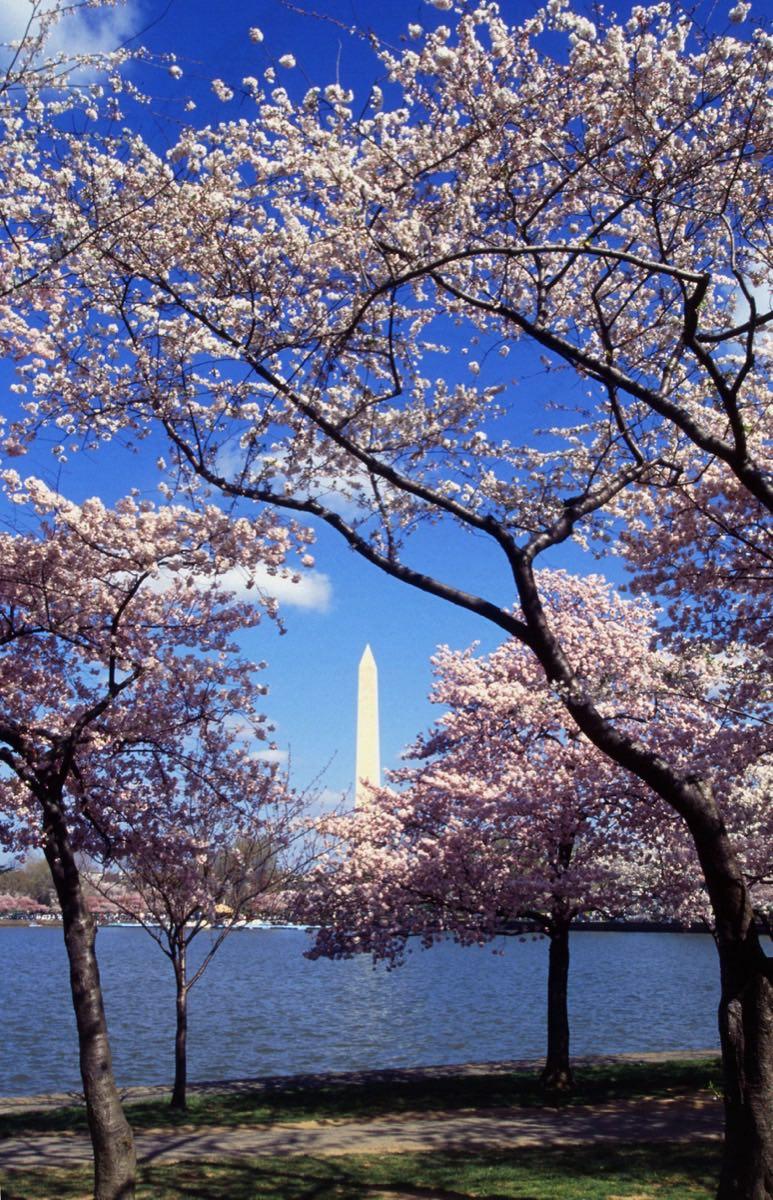 Sakura
0
Washington, D.C.
United States
DormantLow confidenceHistorical estimateLive cameraSeason opens in 121 days
Photo: Scott Bauer, USDA · Public domain
Mid-Atlantic reference Yoshino bloom around the Tidal Basin.
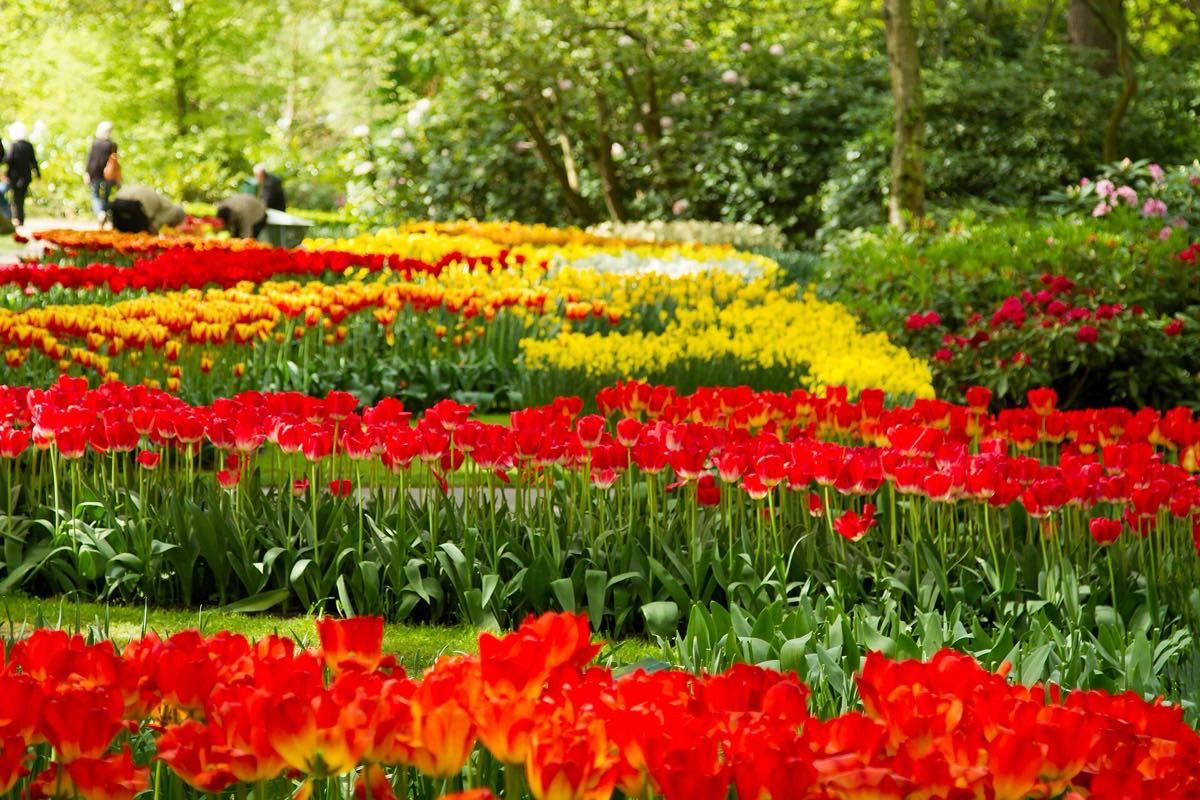 Dutch Tulips
0
Lisse
Netherlands
DormantLow confidenceHistorical estimateSeason opens in 131 days
Bollenstreek commercial bulb rows between Haarlem and Leiden.
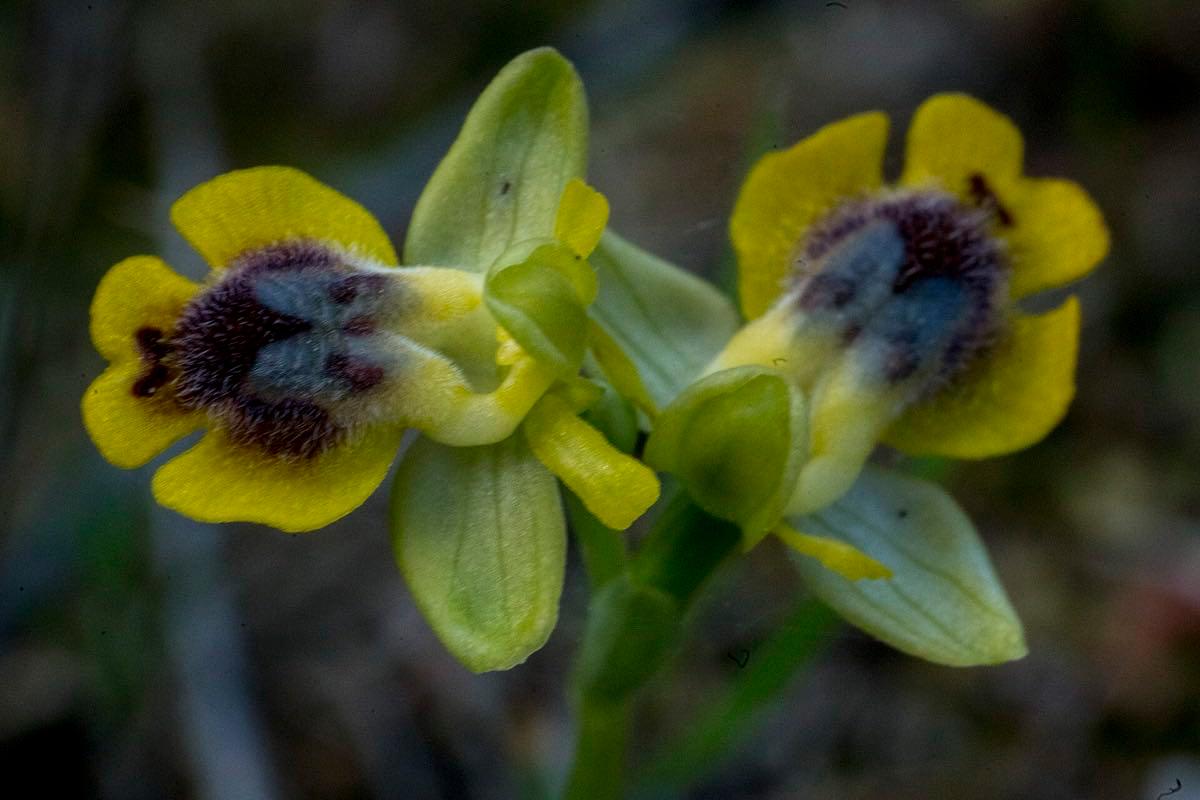 Mediterranean Wildflowers
0
Crete
Greece
DormantLow confidenceHistorical estimateSeason opens in 84 days
Western Crete hillside orchids and phrygana bloom from late winter into April.
- Snowmelt Waterfalls & River Peak Flow
0
Yosemite Valley
United States
DormantLow confidenceHistorical estimateLive cameraSeason opens in 162 days
Sierra Nevada snowmelt cresting across Yosemite Falls and Bridalveil Fall in late May.
 Sakura
0
Christchurch
New Zealand
EndedLow confidenceHistorical estimateSeason closed 15 days ago. Next opens in 305 days
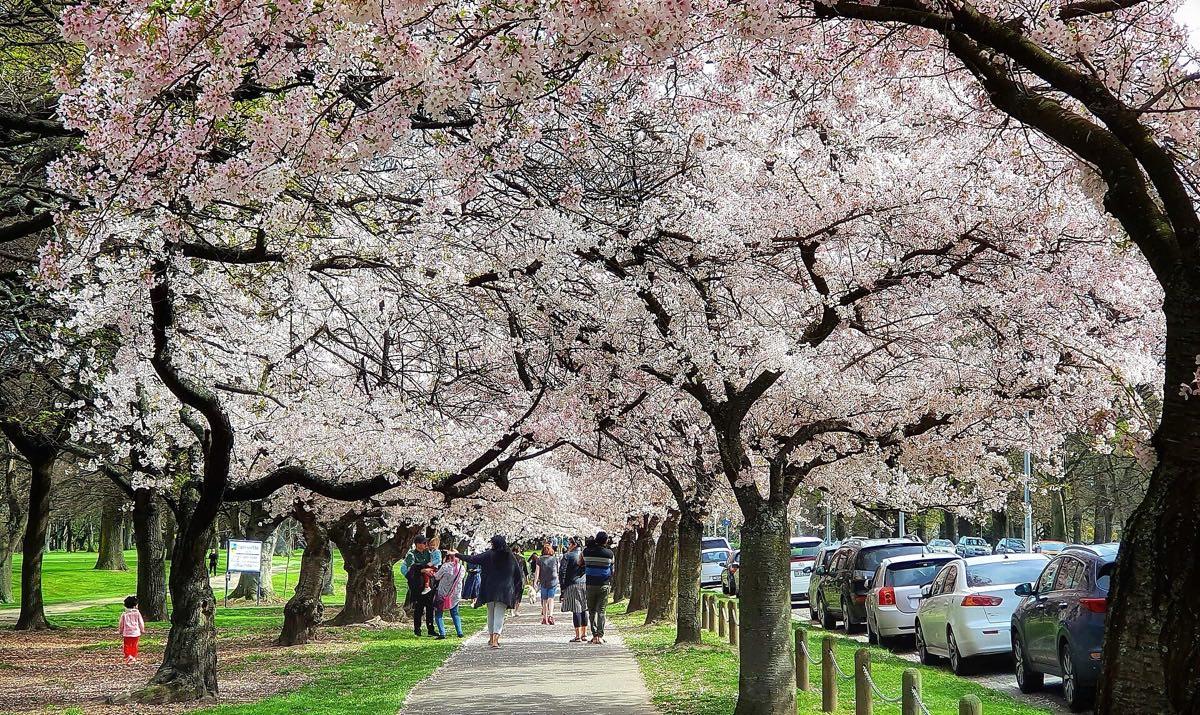
Photo: Bernard Spragg · Public domain
Southern Hemisphere spring cherry blossom cresting in early October.
- Meteor Showers
0
Aoraki Mackenzie
New Zealand
DormantHigh confidenceLive cameraSeason opens in 161 days
Early-May Eta Aquariid stream under New Zealand's gold-tier Dark Sky Reserve.


More field guides
View all 10 guides →summer Guide
Summer High-Meadows, Lavender & Perseid Dark Skies
High-altitude snowmelt flora, Provençal harvests, and August's premier meteor stream.
autumn Guide
Autumn Canopy & The Monarch Migration Flyway
Tracking deciduous color waves alongside North America's great butterfly migration.
winter Guide
Winter Aurora Oval & Geminid Dark Skies
Geomagnetic storms under polar night and December's 120-ZHR Geminid meteor shower.
Thematic Guide
Japan Sakura & Autumn Momiji: Timing Tokyo, Kyoto & Nikko by Degree Days
How cumulative spring warmth and autumn cooling shift Japan's cherry blossom and maple fronts.
Phase 3 · Validation & roadmap priorities
Which phenomena and destinations should Flaurora track next?
We only launch a phenomenon once we can verify an authoritative observation or forecast feed. Vote on candidate Phase 4 categories below or suggest a specific destination for source validation.
Snowmelt Waterfalls & River Peak Flow
Yosemite Valley, Lauterbrunnen, and Nordic snowmelt discharge peaks in late spring.
Target feed: USGS National Water Information System (NWIS) streamgauges
Volcanic Activity & Geothermal Landscapes
Official alert levels, aviation color codes, and safe viewing perimeters.
Target feed: USGS Volcano Hazards Program & IMO Iceland official advisories
Whale Migration & Coastal Sightings
Humpback, gray, and southern right whale coastal migration corridors.
Target feed: NOAA Fisheries, Happywhale & regional marine sanctuaries
Marine Bioluminescence Bays & Shores
Dinoflagellate and ostracod dark-moon windows in Puerto Rico, Tomales Bay, and Jervis Bay.
Target feed: New-moon ephemeris, SST anomalies & reserve monitoring
Synchronous Fireflies
Great Smoky Mountains, Congaree, and Japanese genji-botaru river valleys.
Target feed: Accumulated GDD (base 10°C) & NPS park lottery windows
Glacier Calving & Seasonal Lake Ice
Perito Moreno, Ilulissat Icefjord, and Lake Baikal winter freeze/breakup.
Target feed: NSIDC, Copernicus cryosphere & national park ice telemetry
Request a destination or phenomenon
Tell us what natural event you are planning around and how you use Flaurora.